
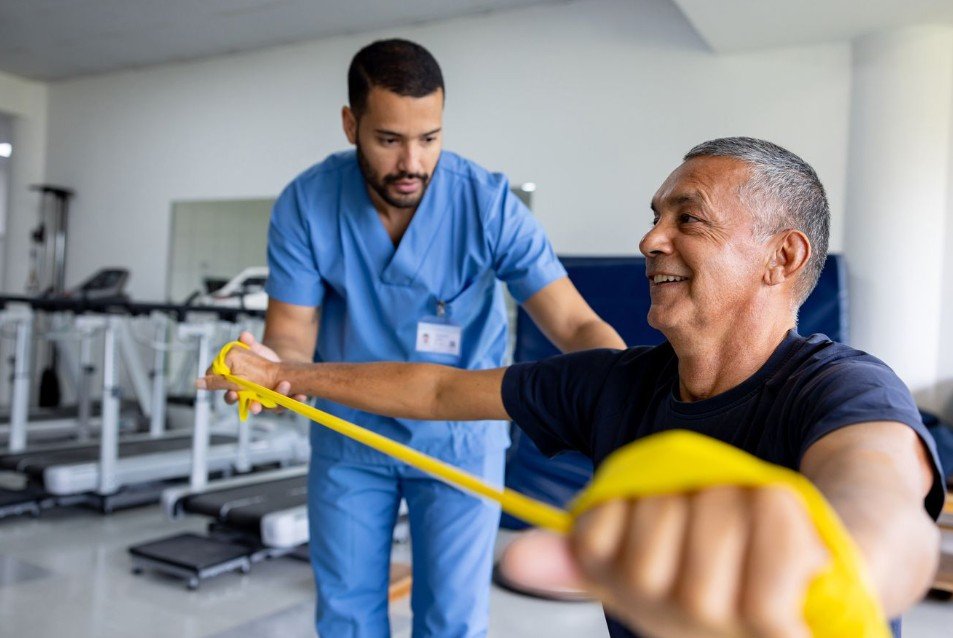
Recovering from surgery is not only about rest and medication—it is also about rebuilding strength, mobility, and confidence in your body. This is where physical therapy plays a crucial role. After many types of surgery, the body becomes weaker, stiffer, and sometimes painful due to inactivity or tissue healing. Physical therapy helps restore normal function safely and effectively.
Whether it’s orthopedic surgery, joint replacement, spinal surgery, or even soft tissue procedures, a structured rehabilitation plan can significantly improve recovery outcomes.
1. Restores Movement and Flexibility
After surgery, it is common for joints and muscles to become stiff. Without movement, scar tissue can form, limiting flexibility.
Physical therapy helps by:
- Gently mobilizing joints
- Improving range of motion
- Reducing stiffness in muscles and tissues
- Preventing long-term movement restrictions
Simple guided exercises help the body regain natural movement patterns without putting stress on healing areas.
2. Strengthens Weak Muscles
Surgery often leads to muscle weakness due to inactivity or surgical trauma. If muscles are not strengthened properly, it can lead to poor posture, imbalance, and slow recovery.
A physical therapy program focuses on:
- Gradual muscle strengthening exercises
- Targeted rehabilitation of affected areas
- Improving core stability
- Preventing muscle loss (atrophy)
Stronger muscles also help support joints, reducing future injury risk.
3. Reduces Pain Naturally
Many people assume rest alone will reduce pain, but prolonged inactivity can actually make pain worse.
Physical therapy helps manage pain through:
- Controlled movement exercises
- Stretching techniques
- Improved blood circulation
- Reducing inflammation naturally
As the body becomes more active, stiffness decreases and pain often reduces without heavy reliance on medication.
4. Prevents Post-Surgery Complications
Without proper movement, patients are at risk of complications such as:
- Blood clots
- Joint stiffness
- Muscle shortening
- Poor circulation
- Delayed wound healing
Physical therapy promotes safe movement early in recovery, which helps reduce these risks significantly.
5. Improves Balance and Coordination
After surgery—especially on legs, hips, or spine—balance can be affected. This increases the risk of falls and re-injury.
Physical therapy includes:
- Balance training exercises
- Walking practice (gait training)
- Coordination drills
- Functional movement training
This helps patients regain confidence in everyday activities like walking, climbing stairs, or standing for long periods.
6. Speeds Up Overall Recovery
One of the biggest benefits of physical therapy is faster recovery time.
When guided properly, therapy:
- Enhances blood flow to healing tissues
- Supports faster tissue repair
- Encourages safe activity instead of prolonged bed rest
- Helps the body adapt and rebuild efficiently
Patients who follow therapy plans often return to normal life sooner than those who do not.
7. Supports Mental and Emotional Recovery
Surgery recovery is not just physical—it also affects mental health. Limited mobility can lead to frustration, anxiety, or low motivation.
Physical therapy helps by:
- Setting achievable recovery goals
- Providing structured progress tracking
- Improving independence step by step
- Boosting confidence in physical abilities
Seeing gradual improvement has a strong positive impact on emotional well-being.
8. Prevents Long-Term Disability
Without proper rehabilitation, some patients may develop long-term movement problems or chronic pain.
Physical therapy reduces this risk by:
- Correcting movement patterns
- Preventing joint deformity or stiffness
- Ensuring proper healing alignment
- Restoring full functional ability
Early intervention often makes a major difference in long-term outcomes.
9. Personalized Recovery Plans
Every surgery and patient is different. Physical therapy is not a one-size-fits-all approach.
A therapist designs a plan based on:
- Type of surgery
- Patient’s age and health condition
- Pain level and mobility stage
- Recovery progress
This personalized approach ensures safety while maximizing results.
10. Helps Return to Daily Life Faster
The ultimate goal after surgery is to return to normal activities—walking, working, exercising, and living independently.
Physical therapy helps patients:
- Resume daily routines safely
- Return to work or sports
- Improve endurance and strength
- Regain independence
It bridges the gap between hospital recovery and normal life.
Final Thoughts
Physical therapy is a critical part of the recovery process after surgery. It not only helps the body heal properly but also restores strength, mobility, and confidence. Skipping rehabilitation can slow recovery and increase the risk of long-term complications.
With consistent guidance, patience, and effort, physical therapy can transform post-surgery recovery into a smoother, safer, and faster journey back to normal life.
