
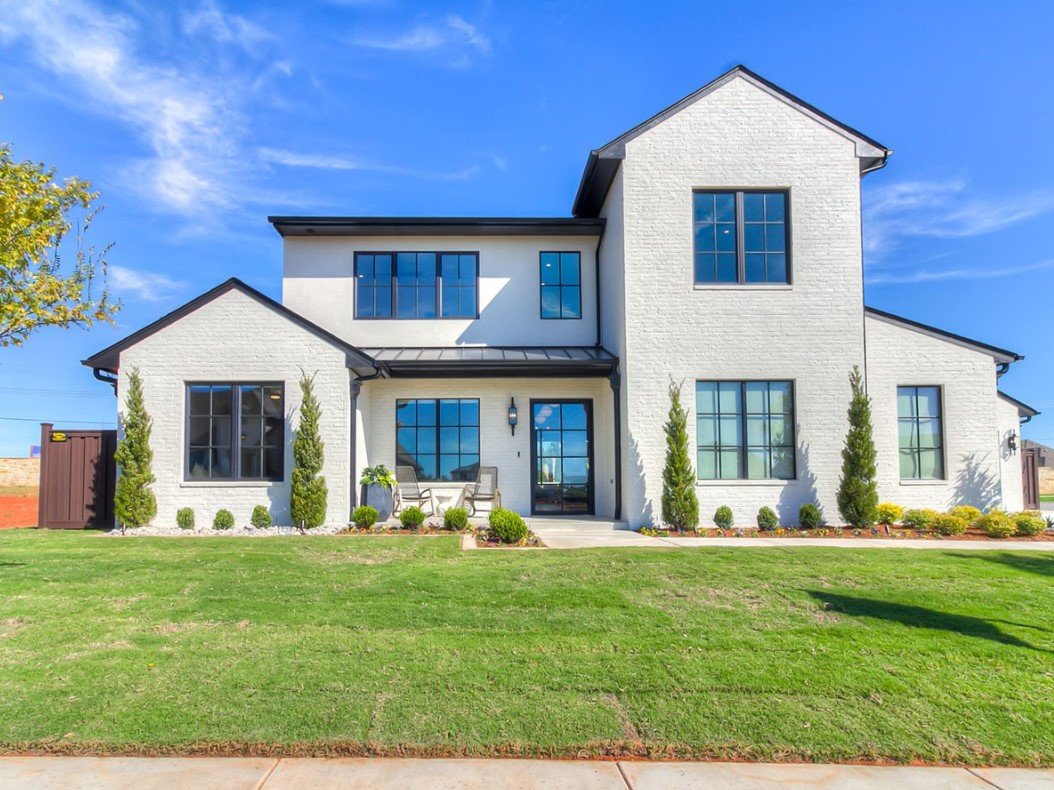
Building a custom home is an exciting opportunity to create a living space that reflects your lifestyle, preferences, and future goals. Instead of purchasing an existing property, you can choose a suitable piece of land and design a home that meets your family’s needs. However, the process involves several important decisions, from evaluating the property and securing financing to selecting contractors and completing construction. Understanding the Build On Your Land Process can help you avoid costly mistakes, manage your budget, and turn your dream home into reality.
What Is the Build On Your Land Process?
The Build On Your Land Process allows homeowners to purchase land or use property they already own to construct a custom home. Unlike buying a completed house, this approach gives you greater control over the location, floor plan, building materials, and design features.
You can work with an architect, custom home builder, or design-build company to develop a property that suits your requirements. Although building from the ground up requires careful planning, it can provide greater flexibility and long-term satisfaction than choosing an existing home.
Step 1: Determine Your Budget and Financing Options
Before searching for land, establish a realistic budget for the entire project. Your expenses will include more than the land purchase and construction costs. You should also account for permits, architectural plans, utility connections, site preparation, landscaping, and unexpected expenses.
Consider the following costs when preparing your budget:
- Land purchase price and closing costs
- Architectural and engineering fees
- Construction materials and labor
- Site clearing, grading, and foundation work
- Water, electricity, sewage, and other utility connections
- Building permits, inspections, and insurance
- Landscaping, driveways, and exterior improvements
Set aside an additional contingency fund, ideally around 10% to 20% of your estimated project cost, depending on the property’s condition and project complexity.
Explore construction loans, land loans, and construction-to-permanent financing if you need financial assistance. Comparing lenders early can help you understand the required down payment, interest rates, eligibility criteria, and repayment schedule.
Step 2: Find and Evaluate the Right Piece of Land
Choosing the right property is one of the most important parts of building a custom home. A beautiful plot may appear affordable but could require expensive preparation before construction begins.
Start by identifying your preferred location, access to essential services, neighborhood characteristics, and proximity to schools, workplaces, and shopping areas.
Before purchasing land, investigate the following factors:
- Zoning regulations: Confirm that residential construction is permitted.
- Land boundaries: Verify the property’s legal boundaries through a survey.
- Soil conditions: Determine whether the ground can support your planned foundation.
- Drainage and flood risk: Check whether water accumulation or flooding could affect construction.
- Utilities: Confirm the availability and cost of connecting electricity, water, sewer, or septic systems.
- Access: Ensure the property has legal road access and suitable construction access.
A professional land survey, soil evaluation, and review of local regulations can help reveal problems before you commit to buying the property.
Step 3: Complete Due Diligence Before Buying
Once you identify a promising property, conduct thorough due diligence. Review the title, ownership records, easements, deed restrictions, property taxes, and any outstanding legal issues.
If the property requires access through neighboring land or depends on shared utilities, confirm that the necessary rights are legally established.
You should also determine whether the proposed home can comply with local building codes, setback requirements, environmental restrictions, and other applicable regulations.
Avoid relying solely on the seller’s statements. Consult a qualified real estate professional, attorney, surveyor, or other relevant specialist when necessary. Resolving these issues before closing can prevent delays and unexpected expenses later.
Step 4: Design Your Custom Home
After identifying a suitable property, begin planning your home’s design. Think about your household size, daily routines, storage needs, accessibility requirements, and plans for the future.
Prepare a list of essential features, such as the number of bedrooms, bathrooms, parking spaces, and outdoor living areas. Consider energy-efficient windows, insulation, natural lighting, and ventilation to improve comfort and potentially reduce utility expenses.
Work with an architect or qualified designer to develop floor plans that fit the property’s dimensions and terrain. Your builder should review the plans to determine whether the design is practical within your budget.
Finalize major design decisions before construction whenever possible. Frequent changes after work begins can increase costs and extend the project timeline.
Step 5: Choose a Reliable Custom Home Builder
The right contractor plays a significant role in the success of your project. Research builders who have experience constructing homes similar to yours and understand the requirements of your location.
Request detailed estimates, review previous projects, and contact references from past clients. Verify licensing, insurance, qualifications, and relevant credentials according to local requirements.
Before signing a contract, clarify the construction schedule, payment milestones, material specifications, warranty coverage, and procedures for handling changes or disputes.
A detailed written agreement helps establish clear expectations and reduces the risk of misunderstandings throughout construction.
Step 6: Obtain Permits and Prepare the Site
Construction generally cannot begin until the required approvals are obtained. Depending on the location and project, you may need building permits, planning approval, environmental clearances, or separate permits for electrical, plumbing, and septic installations.
Once approvals are secured, the contractor can prepare the property by clearing vegetation, grading the site, arranging drainage, and establishing construction access.
Foundation work follows the approved plans and site conditions. Proper preparation is essential because drainage problems, unstable soil, or foundation errors can lead to expensive repairs.
Step 7: Monitor Construction and Complete Inspections
During construction, maintain regular communication with your builder. Request progress updates, review completed work, and compare expenses against your original budget.
Construction typically progresses through foundation work, framing, roofing, exterior installation, plumbing, electrical systems, insulation, drywall, and interior finishes. The exact sequence depends on the design and local building practices.
Required inspections should take place at the appropriate stages. Before accepting the completed home, arrange a final walkthrough and document any unfinished work or defects that need correction.
Confirm that required final approvals and occupancy authorization have been obtained before moving in.
Benefits of Building a Custom Home on Your Land
Following a structured Build On Your Land Process offers several potential advantages. You can personalize the home’s layout, select materials that match your preferences, and choose features that support your lifestyle.
Building a new home may also allow you to incorporate modern energy-efficient systems, improve space utilization, and reduce the need for immediate renovations. However, the financial benefits depend on land prices, construction expenses, local market conditions, and long-term maintenance requirements.
Careful planning and professional guidance are essential to achieving the best possible outcome.
Conclusion
The Build On Your Land Process involves several connected stages, including budgeting, land evaluation, legal due diligence, home design, contractor selection, permitting, and construction management. Each stage contributes to the quality, cost, and success of the finished property.
By researching your land carefully, setting realistic financial expectations, hiring experienced professionals, and monitoring progress, you can reduce common risks and make informed decisions. With the right preparation, building a custom home can become a rewarding investment that provides comfort, flexibility, and a place to call your own for years to come.
