
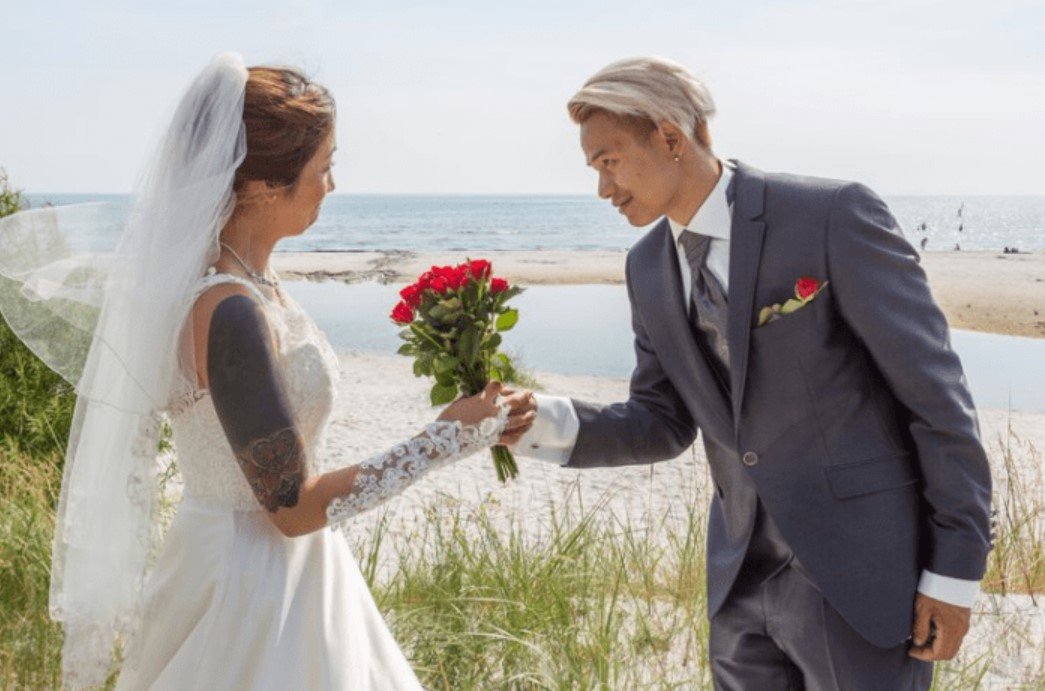
There’s something magical about planning a wedding—the anticipation, the dreaming, the endless ideas waiting to come to life. But alongside the excitement, wedding planning can also feel overwhelming. With so many details to manage, even the most organized couples can stumble into common pitfalls that lead to unnecessary stress, overspending, or last-minute chaos. Understanding these common wedding planning mistakes and how to avoid them can make the journey smoother, more enjoyable, and ultimately more memorable.
Not Setting a Realistic Budget
One of the biggest mistakes couples make is jumping into planning without a clear budget. It’s easy to get carried away by inspiration from social media, but without financial boundaries, costs can spiral quickly.
How to avoid it:
Start by determining how much you can realistically spend. Break down your budget into categories like venue, catering, photography, attire, and décor. Always include a buffer (around 10–15%) for unexpected expenses. A clear budget helps guide every decision and prevents financial stress later.
Waiting Too Long to Book Vendors
Popular venues and top-tier vendors often get booked months—or even years—in advance. Delaying these decisions can limit your options and force you to settle for less-than-ideal choices.
How to avoid it:
Once you have a wedding date, prioritize booking key vendors such as the venue, photographer, and caterer. Early booking not only secures your preferred choices but can also lock in better pricing.
Ignoring the Guest Experience
Many couples focus so much on aesthetics that they overlook the comfort and experience of their guests. Issues like long waiting times, poor seating arrangements, or lack of refreshments can leave a negative impression.
How to avoid it:
Think from your guests’ perspective. Ensure there’s clear communication, comfortable seating, good food, and a smooth flow of events. Small details like welcome drinks, clear signage, and thoughtful favors can make a big difference.
Overcomplicating the Timeline
Trying to fit too many activities into one day can make the schedule feel rushed and chaotic. Delays in one part of the event can disrupt everything else.
How to avoid it:
Create a realistic timeline with enough buffer time between events. Work with your planner or coordinator to ensure the day flows naturally. Keep it simple—sometimes less truly is more.
DIY Overload
Do-it-yourself projects can add a personal touch and save money, but taking on too many can become stressful and time-consuming, especially as the wedding date approaches.
How to avoid it:
Choose a few meaningful DIY elements and leave the rest to professionals. Focus on projects you genuinely enjoy and can complete ahead of time without pressure.
Not Having a Backup Plan
Outdoor weddings are beautiful, but weather can be unpredictable. Failing to prepare for unexpected situations can lead to panic on the big day.
How to avoid it:
Always have a backup plan, especially for outdoor events. Whether it’s a tent, an indoor alternative, or contingency arrangements, being prepared ensures peace of mind.
Underestimating the Importance of Contracts
Verbal agreements or unclear contracts can lead to misunderstandings with vendors. This can result in hidden costs or unmet expectations.
How to avoid it:
Carefully review all contracts before signing. Ensure everything is clearly outlined, including services, timelines, costs, and cancellation policies. Don’t hesitate to ask questions if something isn’t clear.
Skipping Professional Help
Some couples try to handle everything themselves to save money, but this can lead to burnout and overlooked details.
How to avoid it:
Hiring a wedding planner or at least a day-of coordinator can be a game-changer. They bring experience, organization, and problem-solving skills that ensure everything runs smoothly.
Not Communicating Clearly
Miscommunication between couples, families, and vendors can create confusion and conflict. Everyone involved should be on the same page.
How to avoid it:
Maintain open and honest communication. Regularly update vendors and discuss expectations with family members. Clear communication helps prevent misunderstandings and keeps everyone aligned.
Forgetting What Truly Matters
Amid all the planning, it’s easy to lose sight of the true purpose of a wedding—celebrating love and commitment. Stressing over minor details can take away from the joy of the occasion.
How to avoid it:
Take moments to step back and remind yourself why you’re planning this event. Focus on the bigger picture and don’t let small issues overshadow your happiness.
Ignoring Personalization
Some couples follow trends so closely that their wedding ends up feeling generic rather than a reflection of their unique story.
How to avoid it:
Incorporate elements that represent your personality as a couple. Whether it’s custom vows, meaningful music, or cultural traditions, personal touches make your wedding truly special.
Last-Minute Decisions
Leaving important decisions until the last minute can lead to rushed choices and added stress.
How to avoid it:
Create a planning timeline and stick to it. Break tasks into manageable steps and complete them gradually. Staying organized reduces pressure as the big day approaches.
Conclusion
Planning a wedding is a journey filled with excitement, creativity, and sometimes challenges. By understanding these common wedding planning mistakes and how to avoid them, couples can navigate the process with confidence and ease. The key lies in preparation, communication, and staying true to what matters most.
A well-planned wedding isn’t about perfection—it’s about creating a meaningful experience that reflects your love story. When you focus on what truly matters and avoid unnecessary stress, your special day becomes not just an event, but a cherished memory that lasts a lifetime.
